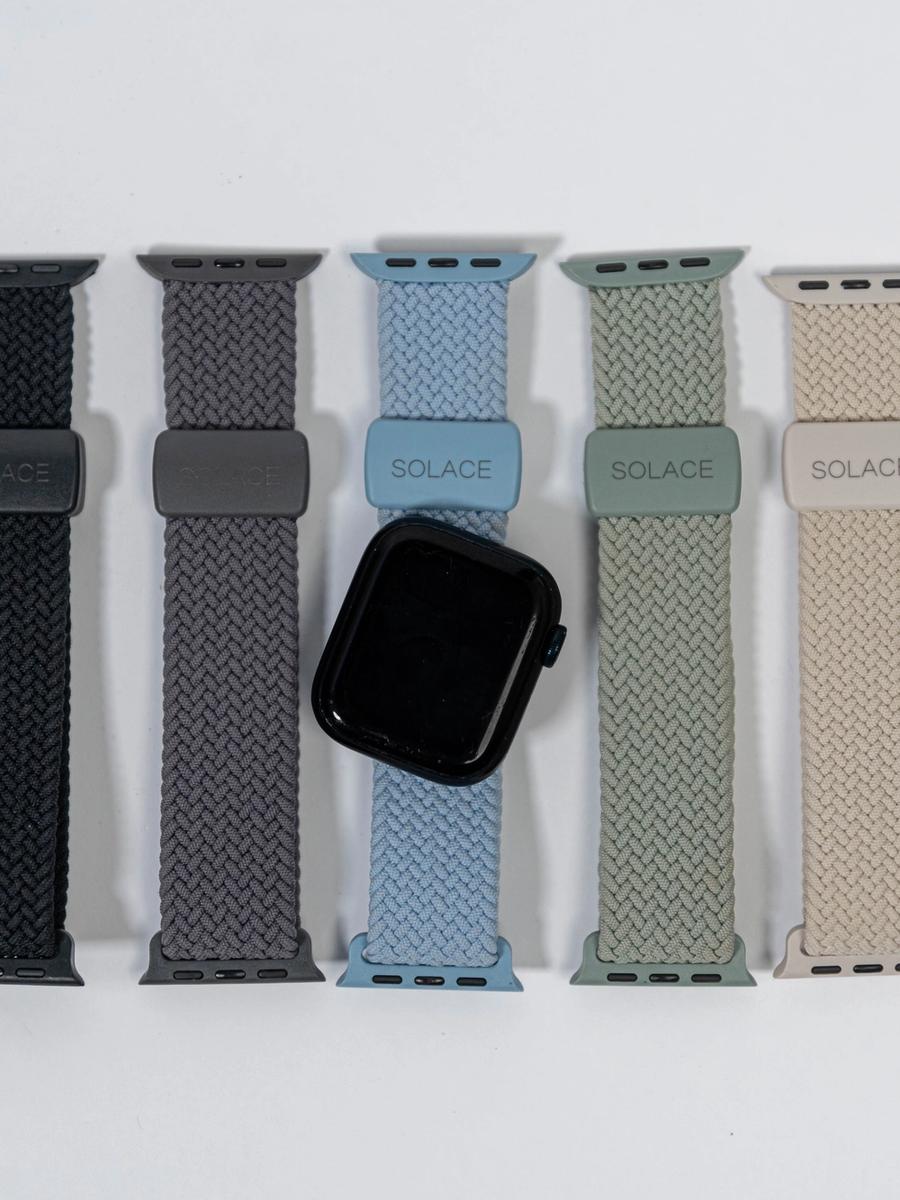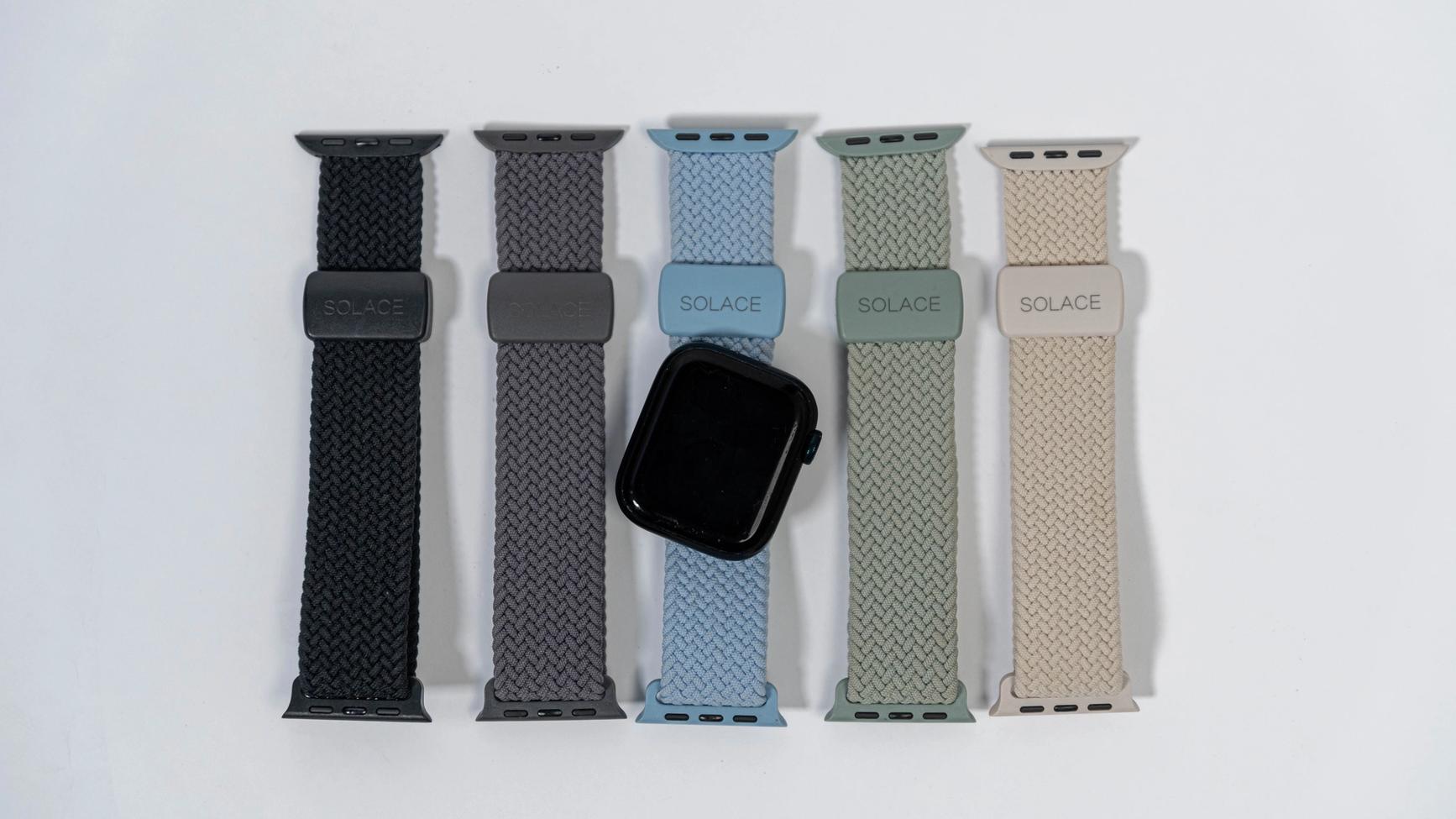
Solace Bands started the way any great DTC brand does: with a product, a vision, and a small team figuring it out as they went. The Pennsylvania-based accessories brand has scaled significantly, nearly quadrupling in revenue over the past two years, but growth at that pace quickly outgrew the tools they started with.
Jacob Dorian, Head of Paid Media, oversees performance marketing across five paid channels, including Meta, Google, Apple Search Ads, TikTok, and AppLovin. Beyond direct-to-consumer, Solace Bands also drives revenue through Amazon and TikTok Shop, two channels where understanding the downstream impact of paid media is essential to measuring business performance.
Solace Bands has been a Triple Whale customer since 2021. For years, multi-touch attribution (MTA) provided a reliable signal for daily decisions and a shared language for marketing performance. But as ad spend increased and the channel mix expanded, MTA hit its ceiling, leaving the team without a clear view of incremental growth.
Challenges
As ad spend grew, MTA signals couldn't answer the question that mattered most to the Solace Bands team: Which channels were actually driving incremental growth?
Three key blind spots emerged:
- The Amazon and TikTok Shop black box: Solace Bands sells across both platforms in addition to their DTC site, and had no way to quantify how much of that revenue was being driven by paid media. This resulted in budget decisions being made without that context, creating a major insight gap where off-platform sales represent real revenue.
- Budget allocation without a causal anchor: Meta accounts for more than half of total ad spend, but the team lacked a data-backed framework to know with confidence whether they were in the right place, or whether reallocating budget would drive better outcomes.
- A ceiling on decision confidence: Even after reviewing multiple attribution models, including Triple Attribution, First Click, Last Click, and Linear, uncertainty remained. MTA couldn't get them close enough to act.
The team needed a measurement approach that could unify multiple signals, and turn them into clear, actionable answers they can act on.
Solution
Solace Bands turned to Compass, Triple Whale's unified measurement platform combining multi-touch attribution (MTA), Marketing Mix Modeling (MMM), and GeoLift incrementality testing.
Time to first insight was fast. With support from a dedicated Triple Whale onboarding team, they configured Custom Categories, calibrated MMM to reflect their specific business structure, including Amazon and TikTok Shop, and made sure all data inputs were dialed in before any recommendations went live. Within weeks, the team had what they needed to start making decisions.
That support did not stop at onboarding. Weekly calls with Triple Whale's data science team became a core part of how they process results and turn insights into action.
"I am not a data scientist. The team makes the data make sense from a marketing perspective. That’s extremely helpful."
The weekly rhythm is now embedded in how the team operates. Every Monday, Jacob reviews MMM budget recommendations alongside MTA data and uses the combined view to guide weekly spend decisions. Where GeoLift tests have validated incrementality, he acts decisively. Where they haven’t, he plans ahead.
“Having MTA, MMM and Incrementality testing together means I’m no longer relying on one signal. It’s the combination that gives me real confidence in moving spend every week. With Compass, we’re building a measurement framework that will scale as we grow into new channels and markets.”
Results
Scaling Performance Max
Solace Bands' first GeoLift holdout test targeted Google Performance Max, their second-largest channel by spend. The results were decisive, returning an incremental ROAS of 3.25, a strong signal that the team had significant headroom to scale.
This allowed the team to increase PMax budgets and use the weekly MMM recommendations to guide pacing on an ongoing basis.
“I would have never pushed past what we were spending without running that test. But after we saw the results, we were really confident.”
Their second test targeted AppLovin at the state level. Results came back without enough signal to support a confident budget decision. However, that outcome was useful. Rather than misallocating spend, the team flagged the channel for future testing. Knowing when not to act became just as important.
Weekly budget allocation driven by MMM signal
Beyond the holdout tests, Compass also gave the team the conviction to make a major change within Meta.
For weeks, the model had been flagging that a specific Meta testing campaign structure wasn't driving results. The team had suspected the same, but they were still spending more than $50K per week there. When the model reinforced the signal, they cut the campaign entirely, shifted to a CBO structure, and saw performance improve. The model didn't just surface the problem, it gave them the confidence to act on it.
A clearer view of Amazon and TikTok Shop
For an omnichannel brand, understanding how paid media drives off-platform revenue is essential but it’s exactly what MTA can't measure.
Using Compass has given the team an early signal that Meta ads are contributing to TikTok Shop revenue, a connection MTA alone misses.
Amazon remains the bigger opportunity. With Meta accounting for roughly three-quarters of total ad spend, the team has long believed a meaningful share of Amazon revenue is influenced by Meta campaigns. They've just never had the data to confirm or size it.
Their next GeoLift test is built to answer exactly that.
"We’ve had to assume a lot of Amazon revenue is coming from Meta, but we have no clue how much. Once we run this test, that's going to be massive for us to understand Meta's true contribution to the business."
Solace Bands' goal is to run incrementality tests across every channel, building a complete validated baseline of confidence to inform ongoing optimization. With a full testing roadmap ahead, Jacob expects decision confidence to grow by 40% once every channel has been tested.
For a brand that has grown more than 4x in under two years, that kind of measurement rigor is not a nice-to-have. It is what sustainable, confident growth looks like.
Results
By implementing Compass, Solace Bands gained a unified, data-backed view of performance across all channels, enabling faster, more confident decision-making. Within weeks, the team identified high-impact opportunities, including scaling Google Performance Max after validating a 3.25 incremental ROAS and eliminating underperforming campaigns to improve efficiency.
The integration of MTA, MMM, and GeoLift incrementality testing provided clear guidance for weekly budget allocation, reducing reliance on fragmented attribution models. For the first time, the team also uncovered directional insight into how paid media influences off-platform revenue, particularly across TikTok Shop and Amazon.
Solace Bands has shifted from gut-based planning to a structured, test-and-learn approach. With incrementality-backed insights, the team can clearly identify what drives new customer acquisition and invest with confidence, doubling down on the channels that deliver real growth.