Molly Sims — founder of YISE Beauty (formerly YSE Beauty) and host of the Lipstick on the Rim podcast — and Susan Keating, YISE's SVP of Growth and Digital Commerce, joined us at Triple Whale's 2026 edition of The Whalies.
Taking center stage, they sat down with Jill Manoff, Editor-in-Chief at Modern Retail, for a conversation on what it takes to build a modern brand.
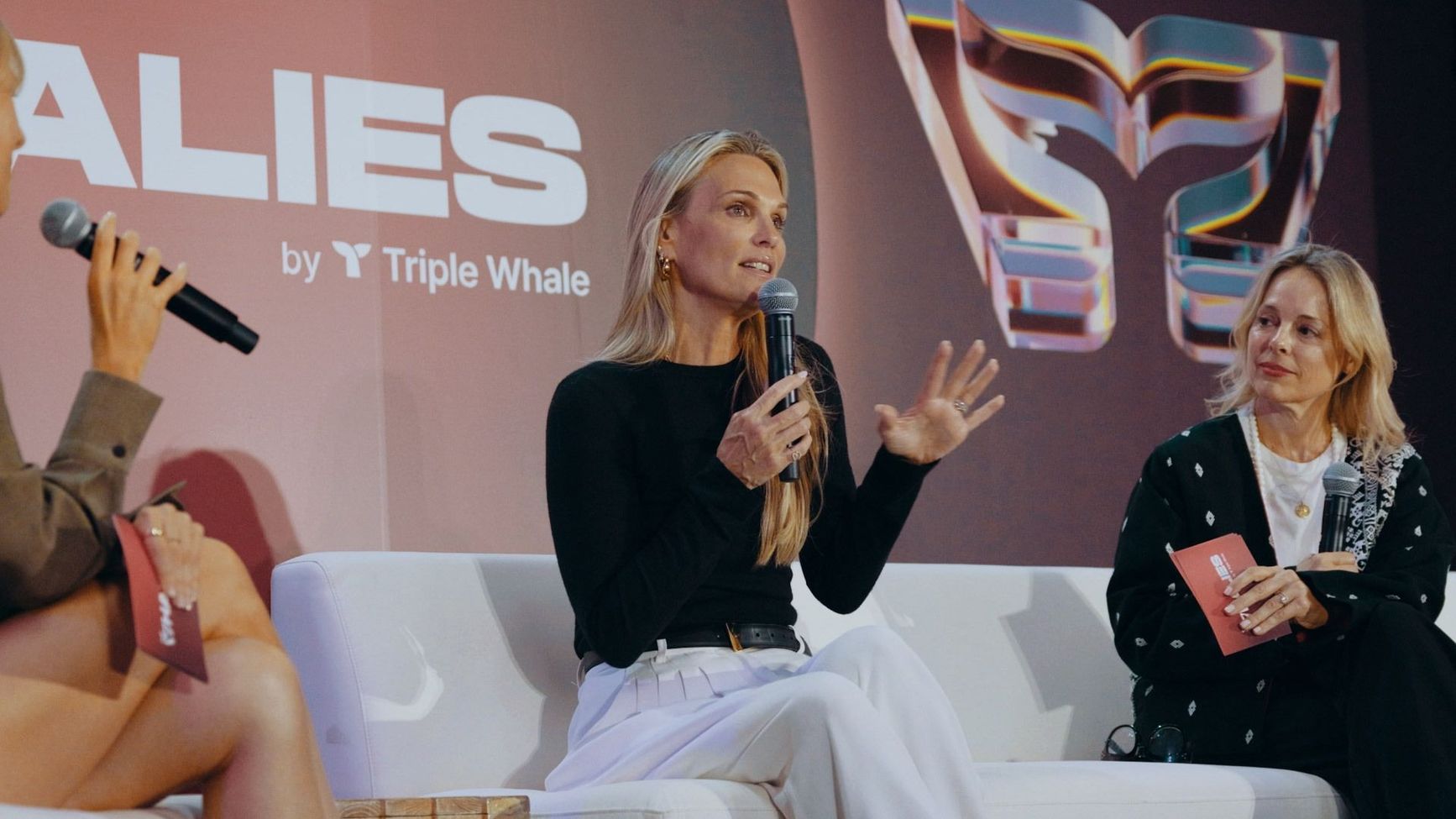
Keynote Speaker Molly Sims (left), Founder of YISE Beauty, and Susan Keating (right), YISE SVP of Growth and Digital Commerce.
Balancing business growth with quality products
Q: You built this amazing personal brand — but at the same time, you're building a consumer products brand alongside it. How do you balance that?
Molly Sims: "We built YSE Beauty to stand on its own. There was a white space. No one was talking to the 35-plus woman. So it was very strategic that I did not build a personal brand. I built a brand that will be with us today, but also tomorrow.
That meant resisting the obvious shortcut of "The Molly Sims Brand,” she explained, in favor of something that could raise capital, expand into retail, and eventually operate without its founder in every room.
Q: What does retaining the soul of the brand look like in practice when it comes to those day-to-day decisions?
Susan Keating: "From my side of the house — being on the ecom and the growth side — we partnered with Triple Whale very early on because we needed real buyer customer data.
Having all of our first-party data funneled into a central intelligence system that we can then use to build cohorts, and then take those learnings and feed them back into Klaviyo, Meta, etc.”
She details that every Monday she's in the platform looking at where YSE is getting the most LTV for the best acquisition channels — with replenishment and retention as a core pillar of their strategy. Earning that second purchase, she says, is something the team takes seriously.
The proof is in the numbers: YISE Beauty boasts a 70% retention on a second purchase.
Q: What does that look like when you have a new customer — to ensure they don't just feel like a buyer, but like they're part of the brand?
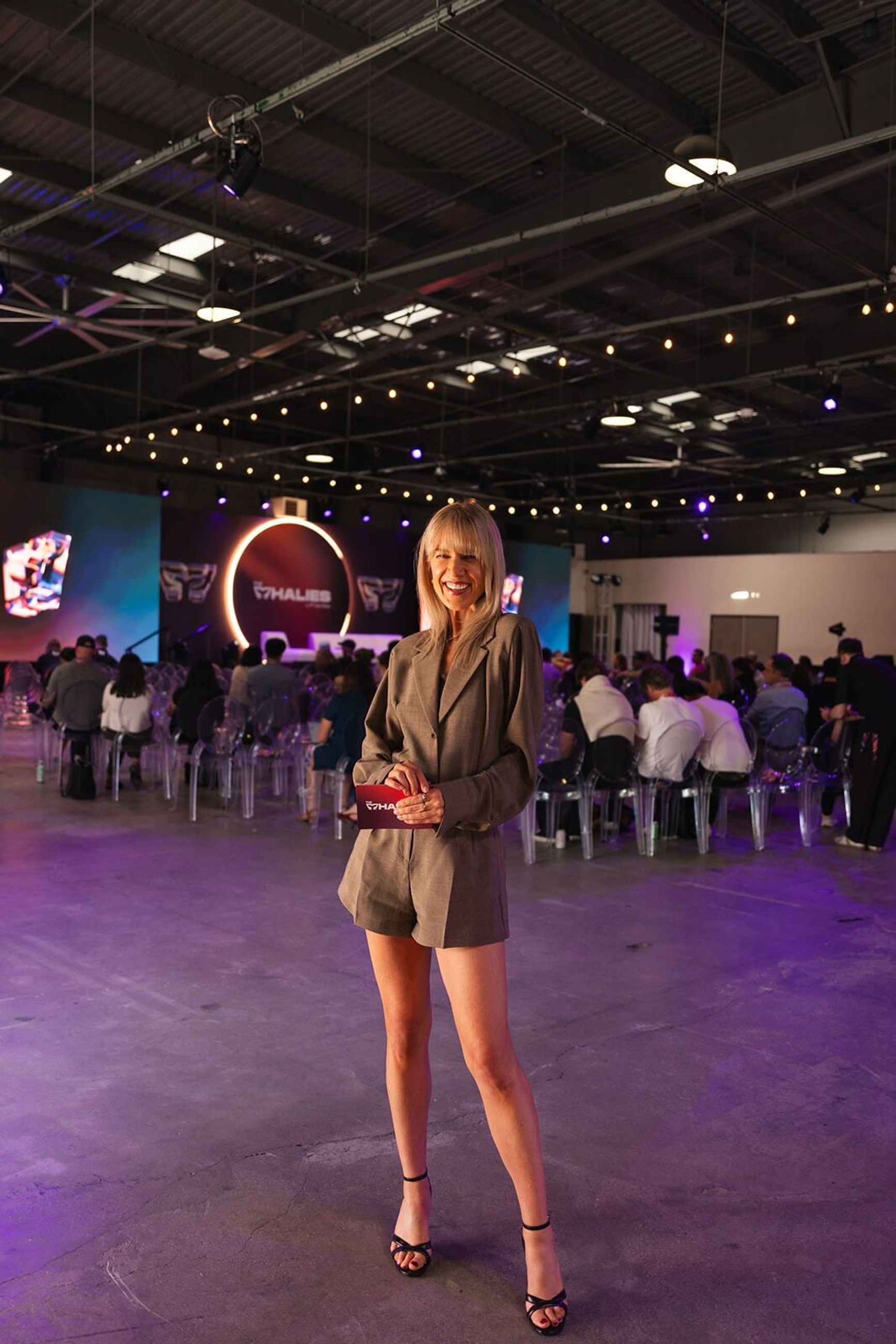
Jill Manoff, Editor in Chief at Modern Retail, hosted the keynote session
Molly: "We hit them with emotion first, and then with really good products. And we got the product really good because we listen to who she [the customer] is, what she wants, and we're meeting her there."
Susan goes into detail on what that looks like. "We invite them to our office. We hold events. It's an opportunity to really bring them into the inner workings of the brand. Molly is very involved. Just yesterday we did a private Zoom session — not on Instagram, not for public display — a private Zoom session with over 300 of our customers. ”
Those conversations feed directly back into the product. Molly mentions her bestseller Wide Awake Eye Cream, they went straight to their community and asked: 'What do you want to see? What do you want next?' And the answer was eye cream.
Molly: “All of our products are really thought through the lens of our woman. It's not just an ingredient. How does she want to show up? What is the experience? Is it sticky? Is it tacky? Is the dry-down where you can't layer? We're on-the-go women and that's how we develop for that woman."
“What people don't realize is I might be selling an eye cream, but I'm in competition with chicken noodle soup. I'm in competition with dog food. It's a consumer business. You're trying to get people's attention, keep them, be loyal to them — and that is done through data."
Q: What would you say is the key to retaining the original magic of the brand — the secret sauce?
Molly: "I think the secret sauce is not getting on trends. This year is all about disciplined growth. You can't be everything to everyone. I love an idea. It does not mean that we do that.
If you start to try to get on other bandwagons that are really not true to the ethos of your own brand, that's where you start to fall off. For us to do a new product, it has to check so many different boxes. But it also really makes us disciplined — because it's easy to come out with a product, a product, a product, and then sooner or later you've got 30 SKUs and you actually don't even know — you kind of get lost in your own."
Susan: "It's really about relevance rather than reach. We're not trying to be everything to every customer. Our tagline has been 'skincare for women too busy for skincare.' We focus very concretely on that Gen X customer. We are very squarely in the Gen X category, which is — as Molly said — a white space that we found."
Digital strategy, in-store shopping, and scaling it all
Q: What does that look like from the digital strategy side?
Susan: "It's really also about segmenting the data. We look very concretely using Triple Whale at 30, 60, 90-day replenishment, 120 replenishment, and there are learnings by SKU that inform the strategy by SKU.
We use it for pricing and bundle development — to understand what products are paired together – where is that sweet spot in terms of conversion? We use it to inform: 'Why is our conversion rate down this week? Is it bot traffic? Is it subscription traffic?' Having a cohesive view of first-party data that has the context of our entire business is priceless."
Q: You are now in all Sephora stores. As you scale into new channels, what does it look like to maintain a clear view of brand performance and who the customer is?
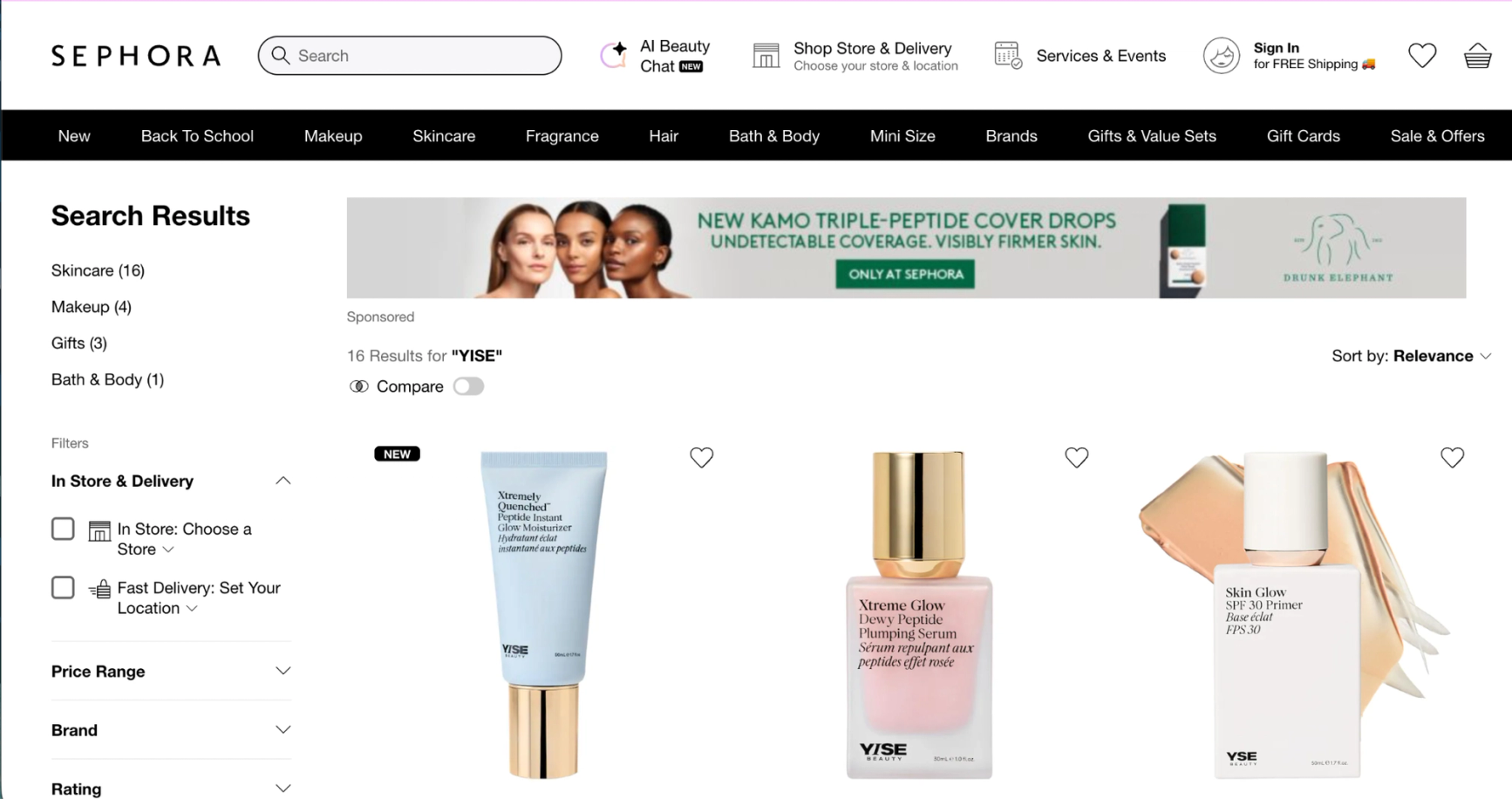
Molly: "We're very privileged in being able to start this brand from a DTC level. Sephora is an amazing machine — if you can get into the system and you can get them to back you, it can literally be the dream. It's just tricky because you want to be able to feed both verticals.
Decisions that you make for Sephora, you might not make for DTC, but you have to run separate strategies. You have to be really disciplined in where you put your dollars.
Susan: "The goal is to have one unified data set. As a three-year-old company, we haven't been able to afford the expensive business software to do that until now. We can onboard Compass and Alloy and start to import Sephora data through Triple Whale. Being able to have that view into retail and measure the halo — it's going to be a game-changer for us."
Q: Something that has been instrumental to your success thus far — what's really helping to maintain your growth as time goes on?
Molly: "The secret sauce is my gut plus the data. Sometimes the data will tell you not to do it; it doesn't mean you don't do it. But you better listen to it, because the data probably wins most of the time.”
Susan: "Being small and nimble, we pivot a lot. We spin things up very quickly. And we can do that because we have the data at our fingertips and we can make changes and course-correct if we need to.”
Q: If you were to give a takeaway for other businesses — a motto or a way of thinking about balancing scale and the soul of the brand — what would you say?
Molly: "When you're scaling, it's really important to value your team. You have to instill in them: if you win, I win. If we win, we win. Really value whatever culture you want to make — and then that is your roadmap. If you treat someone well when you take a job or when you leave a job, it makes all the difference in the world."
For brands that move at the speed of commerce
YISE Beauty is three years old and, in Molly's own words, just starting to walk. The infrastructure is in place: the data, the personas, the community loops, two channels running in parallel. What got them here was a founder who trusted her instincts paired with a team that gave her the data to back them up.
Ready to move from gut instinct to confident decisions? Triple Whale gives fast-scaling brands a single view of their first-party data — from acquisition to retention to retail. Book a free demo.